Shopping Cart
There are no more items in your cart
 English
  Italiano

This site sells alcohol and is not accessible to minors
Do you confirm that you are of legal age?
We are sorry, you don't have legal age to access to our website

In an era where the concept of luxury is constantly being redefined through a thousand facets, from the catwalks of haute couture to the most exclusive suites of the world's great hotels, there is a symbol of refinement that has never lost its authentic charm: champagne. While new definitions of prestige rise and fall, this precious bubbly from our French cousins continues to represent a timeless pleasure. And while it is true that some bottles reach dizzying prices, whether they are rare editions refined in the depths of the sea or labels marketed by famous stars, the true luxury of champagne remains accessible to all. Two glasses of the most classic of sparkling wines are enough to transform any moment into a special occasion.
Champagne is a recent innovation in the millennia-old panorama of wine. While winemaking dates back some 6,000 years in the ancient region of the South Caucasus - where local tribes created wine using "qvevris" (underground containers) - the production of sparkling wine had to wait until the 17th century, when bottles capable of withstanding the pressure of fermentation were finally developed.
The turning point in the production of champagne bears the signature of a visionary monk: Dom Pérignon (whom you have surely heard of), head cellarman of the Abbey of Hautvillers. Charged with preventing spontaneous explosions of bottles, Dom Pérignon perfected the art of identifying wines predisposed to refermentation in the bottle, laying the foundations of the famous "méthode champenoise".
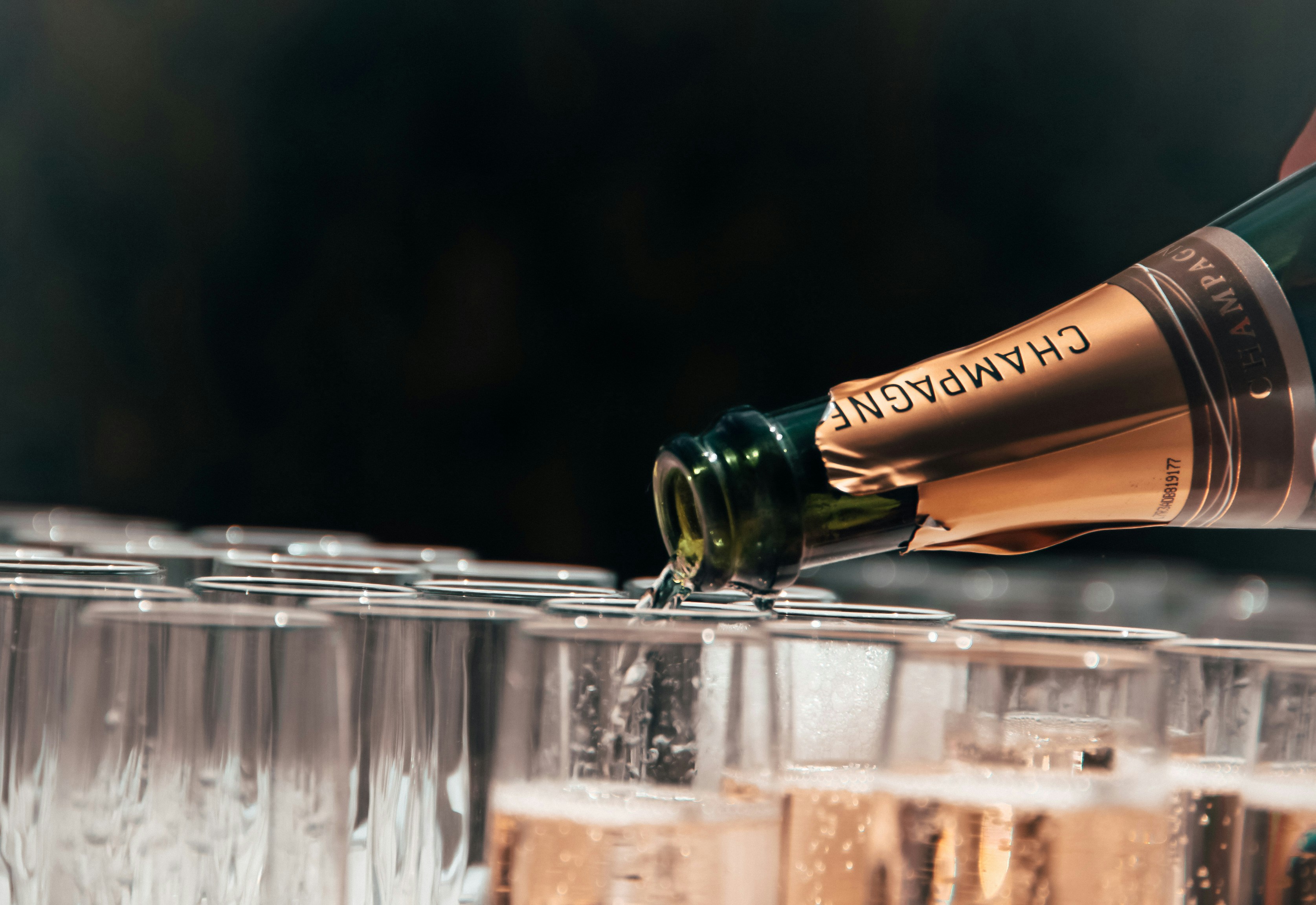
The fact that champagne has earned its unassailable reputation as the preferred choice for celebrating important events is no accident. During the Belle Époque, champagne houses and producers orchestrated brilliant marketing strategies to aggressively market their wine as a drink associated with the European aristocracy, specifically developing campaigns aimed at women (designing romantic-looking labels and evoking champagne-worthy occasions such as weddings and baptisms). Laurent Perrier’s advertisements often included a list of their most illustrious clients, including kings, queens, dukes, duchesses, marquises, countesses and counts. The strategy worked! By the early twentieth century, champagne had become a product that most middle-class families wanted (and importantly, could afford) to drink.
In the twenty-first century, champagne has conquered new cultural territories thanks to the world of American hip-hop. Artists like Jay-Z have redefined the luxury of bubbles with the acquisition of Armand de Brignac’s “Ace of Spades” champagne house to democratize luxury through pop culture.
When a reporter from The Economist asked Frederic Rouzaud, CEO of Louis Roedere, the French company that makes Cristal, if he thought the association between rap and Cristal was seen favorably, Rouzaud reportedly said: “What can we do? We can’t stop people from buying our product. I’m sure Dom Pérignon or Krug would be happy to do business with them.” Spoiler: they were.
French bubbles also shine in mixology. We’ve already extolled the virtues of the Casablanca-inspired French 75, a perfect blend of gin (try our Fuckingin), lemon juice, sugar and champagne, but we also recommend a Bellini (a prosecco or champagne-based cocktail with peaches, served in a flute) as an alternative to a Mimosa or Buck’s Fizz (champagne and orange juice, sometimes with grenadine syrup).
Now let’s start with the most original, perhaps the best and also the simplest: Put a small piece of Angostura sugar in the bottom of a champagne glass (the choice is yours here!) along with a thin strip of lemon zest, add chilled champagne and you’re ready to start your tour. Some recipes call for adding a shot of chilled cognac or equal parts cognac and Cointreau to transform it into a Prince of Wales.
We don’t recommend anyone make their own cocktail with a Cru. Supermarket champagnes are perfectly acceptable. If you think champagne is too precious to be diluted with other ingredients (and we don’t necessarily disagree), you could substitute a crémant, cava or prosecco, as long as it’s completely dry.
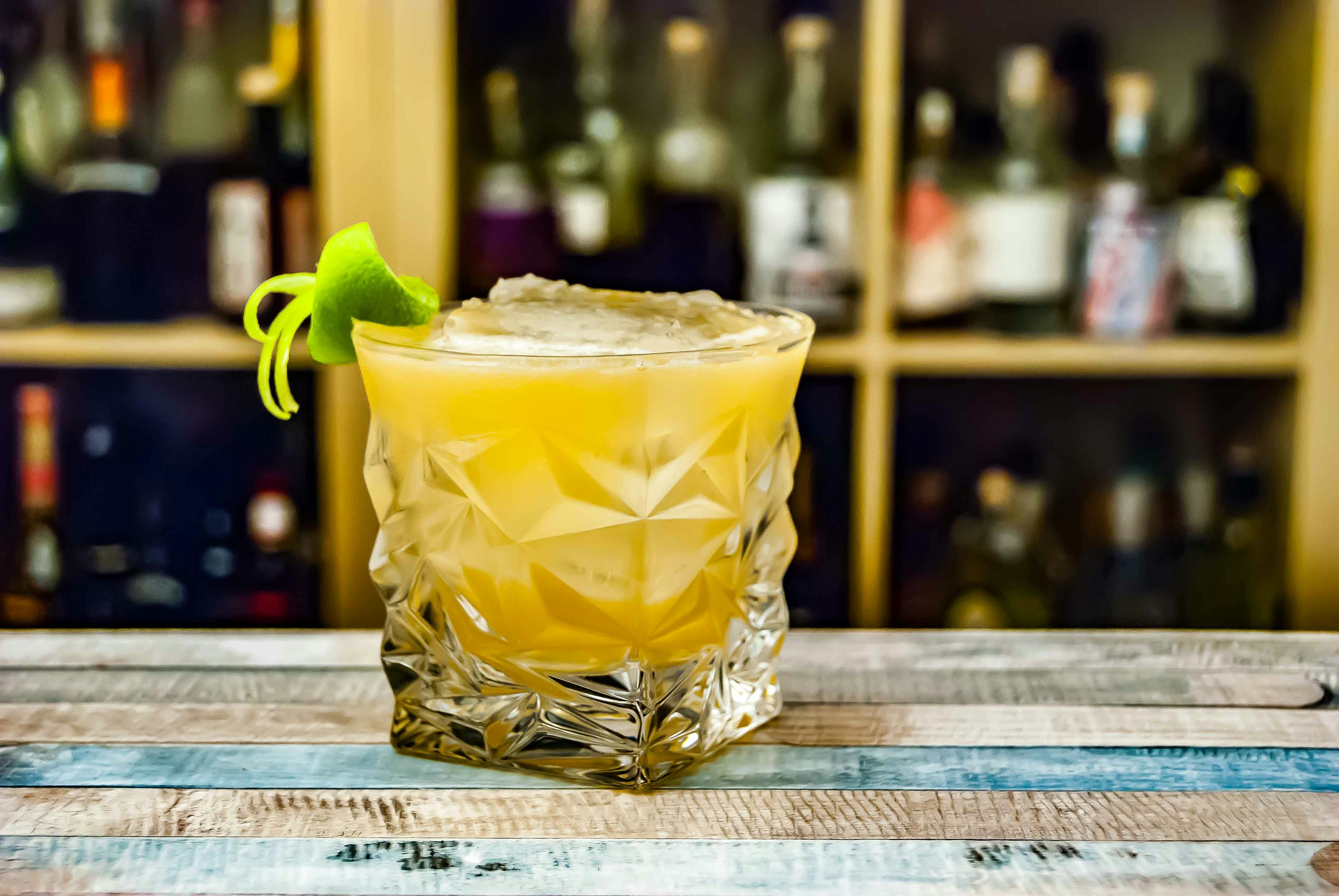
Champagne remains a contemporary icon of celebration and sophistication, capable of transforming every moment into a special occasion. Whether enjoyed neat or in delicious cocktails, it will always represent the very essence of celebration and elegance.


