Shopping Cart
There are no more items in your cart
 English
  Italiano

This site sells alcohol and is not accessible to minors
Do you confirm that you are of legal age?
We are sorry, you don't have legal age to access to our website

In the varied universe of bars, it can sometimes seem that the profession of bartender has been divided into two camps: on one side, you find the “classics”, simple old-school bartenders who pour you a quick drink with a simple t-shirt for your happy hour, on the other, the “mixologists” — bartenders/ladies rigorously with a well-groomed moustache or impeccable make-up — who prepare a cocktail for you as if it were a work of art. A work that, coincidentally, can cost more than a full lunch.
"Mixology" may seem like the latest trend born in the lively nights of speakeasies, but it is actually an ancient art that is experiencing a sensational revaluation. Behind what seems to be just a fancy way of calling the preparation of a drink, there is a centuries-old tradition that is now conquering exclusive bars and trendy clubs around the world, restoring dignity and charm to a profession that goes far beyond simply "serving drinks".
Mixology is the art and science of creating and mixing cocktails to create a unique taste experience. It uses an almost scientific approach when making unique craft cocktails. It uses a combination of ingredients, tools and techniques to create delicious and visually appealing drinks, tailored to the taste preferences of the customers.
The goal is to create a balance of flavors and present a cocktail in a way that is both visually pleasing and enjoyable to drink. A unique art form that only those with a deep understanding of flavors, drinks and bartending knowledge can do. In short, it is much more than making classic cocktails.
Mixology may seem like a new art form that has only recently become fashionable, but it actually has roots in the nineteenth century, when it first appeared in a text published in 1862.
So the art of creating drinks has very ancient roots. Since ancient times, men have loved to invent drinks of all kinds, from wine mixed with spices and aromas, to the first versions of beer. During the time of the ancient Romans, for example, the wine produced was really very strong and concentrated, and therefore had to be diluted: this is how many variations of the "nectar of the gods" were born, with ingredients such as honey, cloves, saffron, fruit, and many others. Mixology as we know it today, however, was born after the industrial revolution, with the birth of liqueurs and spirits created with great mastery. From the nineteenth century, real cocktails began to be born, the first concept of which was born in the United Kingdom of England and was similar to a punch with fruit juices and spices. But it was post-prohibition America that revived mixology and created what this art form lives on today.
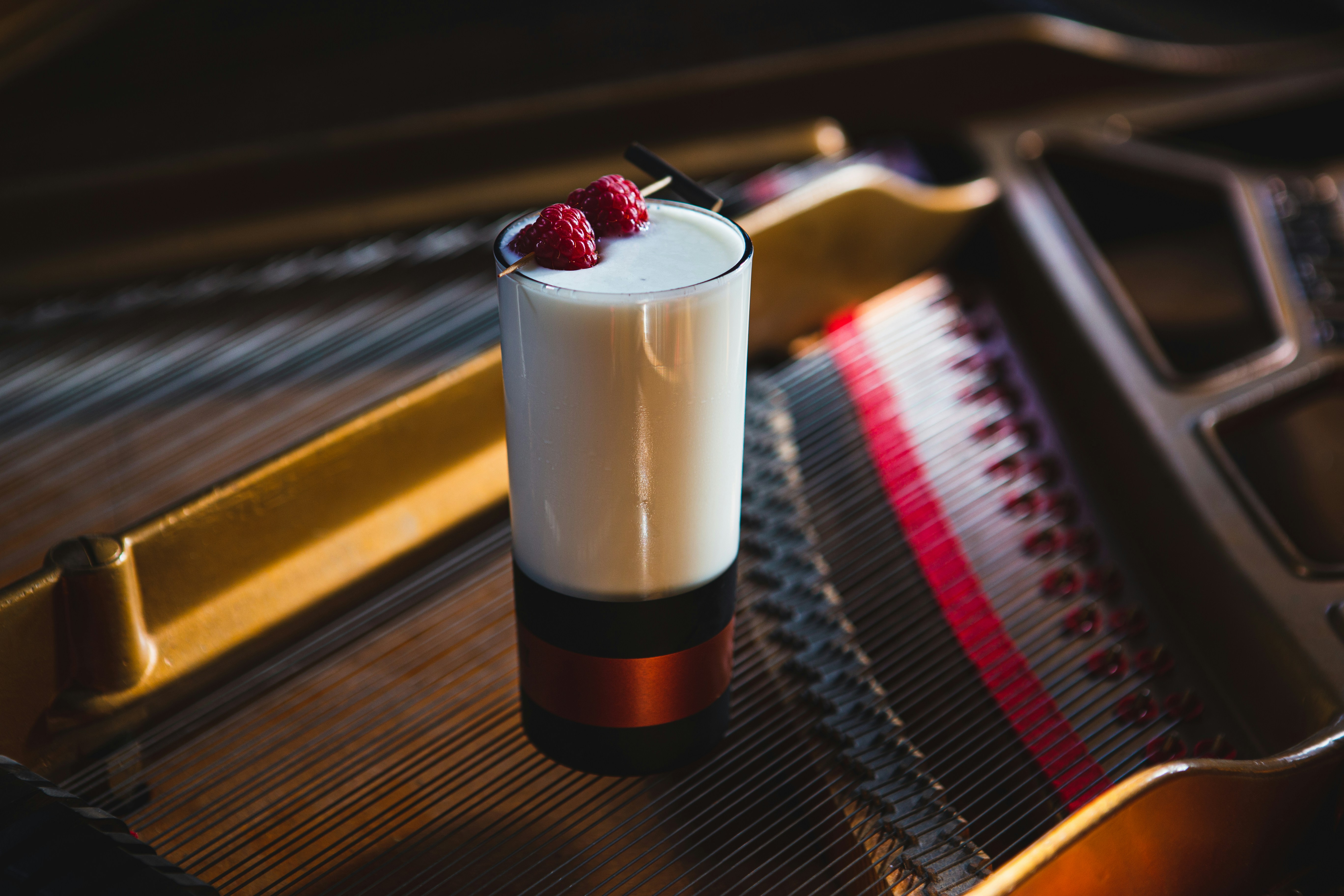
This wave of creativity and curation didn’t just impact bar menus. It created a demand for better products, first behind the bar and then from consumers themselves. As bartenders, or “mixologists,” continued to explore new spirits, or simply better flavor profiles, new products in the spirits industry were created to meet that demand, which is why “mixology” is actually pretty important if you’re into gin and cocktails. (The holiday version of our “limited edition” Fuckingin Xmas is a refined and bold way to celebrate the holidays with a touch of originality and character.
So the real impact of mixology hasn’t just been to influence how we drink in bars or how much we pay for cocktails, but to create a standard that hasn’t existed in a long time in cocktail drinking culture. Even if you don’t want something complex, at the end of the day, the resurgence of mixology might just mean that your favorite corner bar has a slightly better selection of gin for your G&T.
The art of mixology is based on four fundamental techniques that every bartender must master like a true master: stirring, blending, shaking and muddling. These methods are not just simple actions, but real movements that transform raw ingredients into liquid masterpieces. Whether you are a professional behind the bar or an aspiring mixologist, understanding and perfecting these movements is essential to creating cocktails that not only quench thirst, but excite.
The art of stirring is more than just a circular motion with a bar spoon. It's a delicate dance that requires precision and care. Using a long-handled spoon, mixologists create an elegant vortex that combines clear ingredients without clouding them. The technique of choice for classic cocktails like Martinis and Manhattans, stirring preserves the drink's crystalline purity, transforming mixing into an almost meditative experience.
Blending is a technique that uses a blender to blend together ingredients such as fruit, ice and spirits in perfect harmony. Margarita and Pina Colada are examples of cocktails born from this technique.
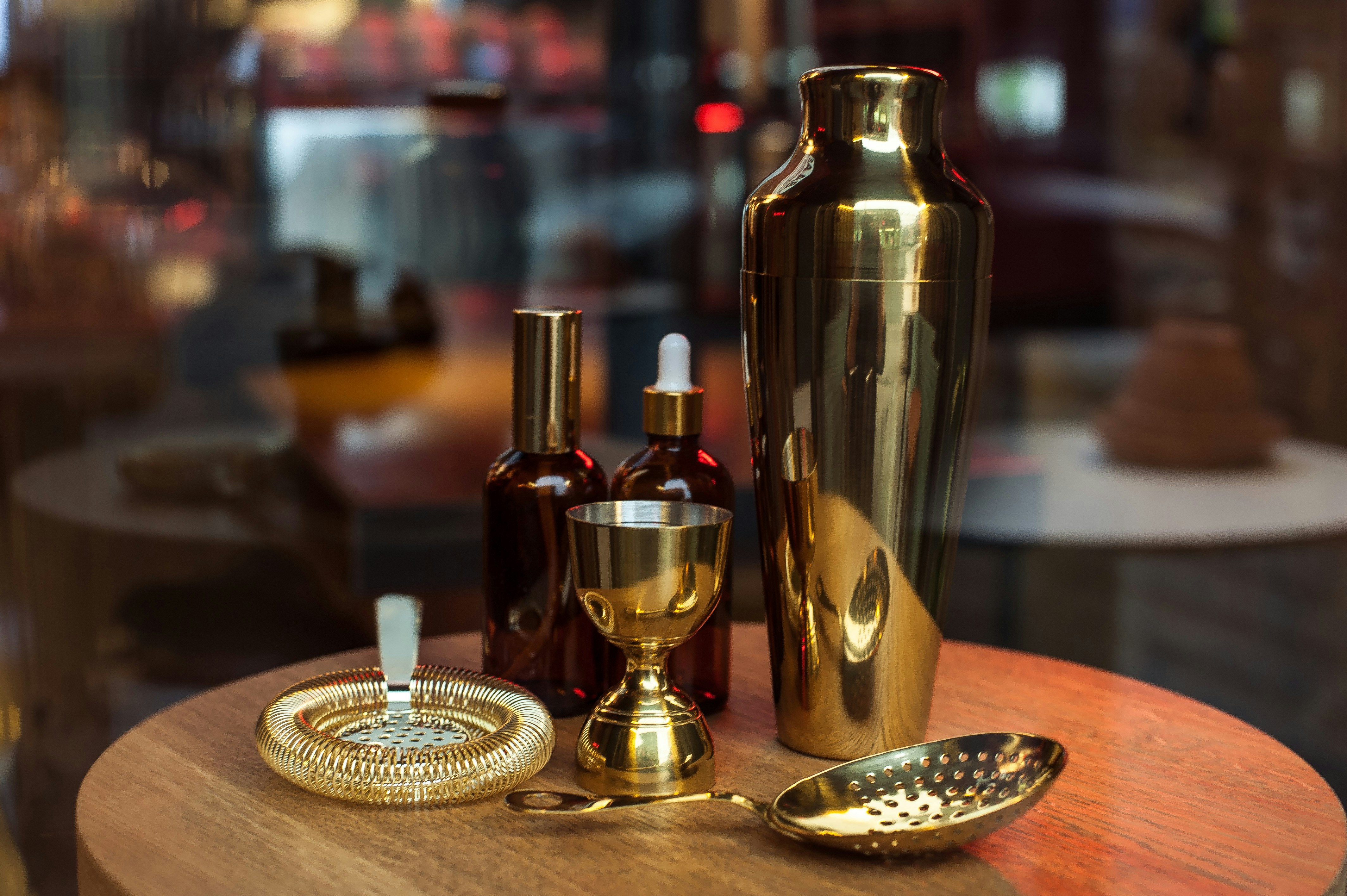
Shaking is more than just stirring; it’s a ritual for the mixologist. The shaker becomes an instrument in an orchestra where ice, juices, syrups, and egg whites dance together, creating a frothy and creamy texture in the drink. This technique is typically used for cocktails that include citrus juices, syrups, or egg whites as ingredients. The shaking action helps create a frothy and creamy texture in the drink.
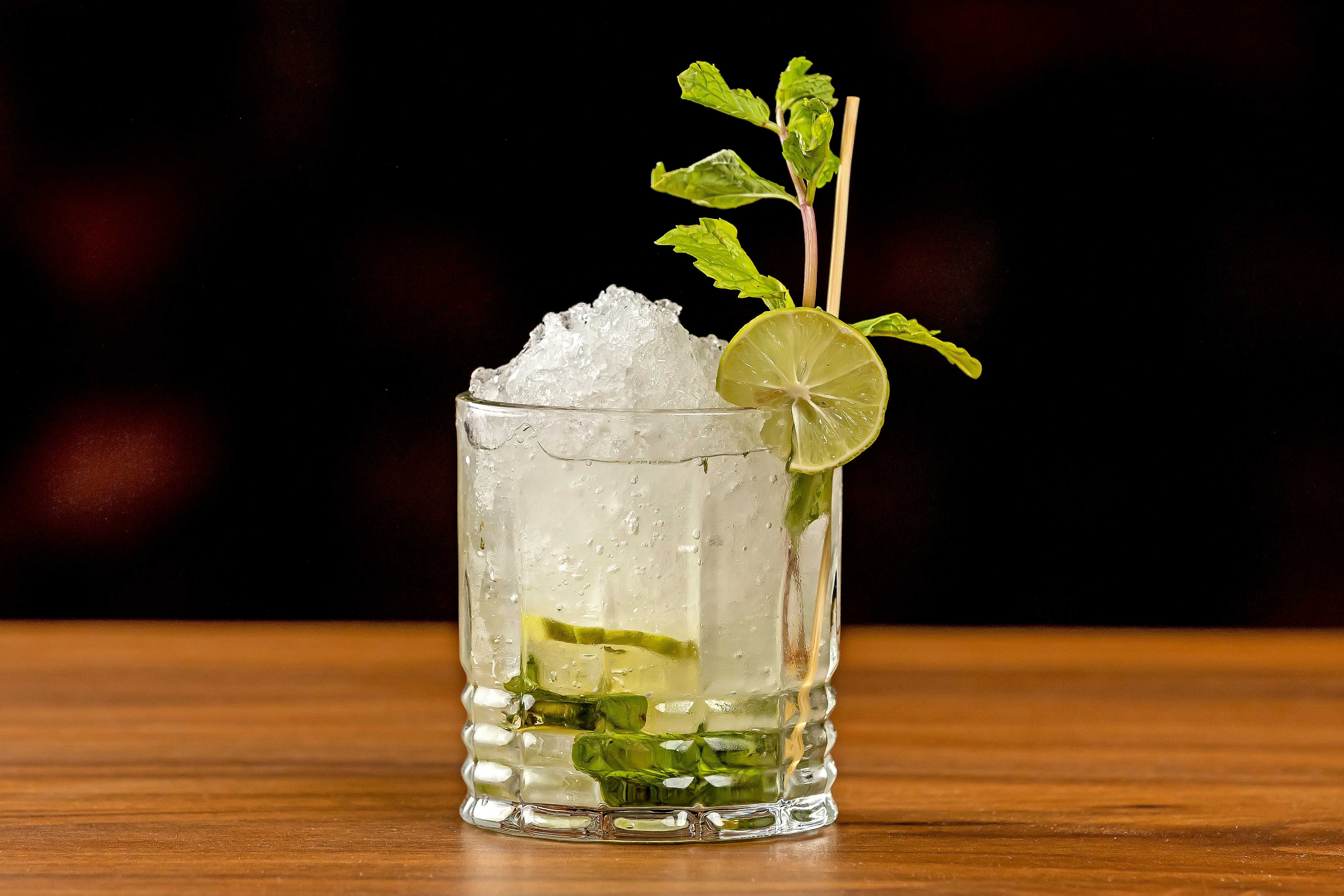
Muddling is used to prepare cocktails with fresh ingredients such as mint, basil, lime and berries. This is usually done using a muddle, a tool designed to crush the ingredients gently and calmly, releasing essential oils and hidden aromas. Mojitos, Caipirinhas and Old Fashioneds are born from this ancestral gesture, where each pressure tells the story of the ingredients.
And while the intimidation factor can sometimes kick in, and some cocktail menus may not suit your tastes, many mixologists have now cast aside any old-school or over-serious affectation in favor of a double emphasis on hospitality in whatever setting suits them. Of course, whatever you call the guy or gal behind the bar, just remember to raise your glass and thank them with a smile. Happy drinking, Fuckinginers!


